

Honoring Freedom: How Legal Cannabis Reflects the Society Canadian Veterans Fought to Protect

On the 11th hour of the 11th day of the 11th month, Canada falls silent.
Remembrance Day is a solemn occasion where we pause to honour the courage, dedication, and profound sacrifice of all Canadian veterans. They risked everything to secure the fundamental values we hold dear: freedom, democracy, and the enviable quality of life we enjoy today.
As a nation that values progress and liberty, our societal landscape is constantly evolving. And in recent years, one of the most significant shifts—the legalization of cannabis—has created a surprising, yet meaningful, link to our duty of care for those who served.
This Remembrance Day, we reflect not just on the battles won abroad, but on the freedoms secured at home.
The legalization and regulation of cannabis through the Cannabis Act in 2018 was a landmark moment, rooted in the very freedoms our veterans defended. The debate was animated by a “philosophically liberal approach,” the core idea being that adults in a free society should have the liberty to make informed choices for themselves.
While this shift had several profound real-world consequences, in general legalization represents the kind of social progress and thoughtful governance that a free and democratic society—the kind veterans fought for—is uniquely positioned to achieve.
For some Canadian veterans, the availability of legal, regulated cannabis is far more than a matter of personal choice—it is a critical aspect of modern healthcare and an essential component of the national duty of care.
Veterans are disproportionately impacted by complex, often co-occurring, conditions, including Post-Traumatic Stress Disorder (PTSD), chronic pain, anxiety, and insomnia. For many, conventional treatments have failed to provide relief.
This is where the regulated cannabis industry and public policy intersect with the deepest respect for service by providing a medically recognized option.
As we observe the two minutes of silence at 11:00 a.m. on November 11th, let the poppy on our lapel remind us of the immense sacrifices made for our freedom to choose, to progress, and to change our society for the better.
For more information on veterans health in Canada visit https://missionvav.com/
You can also read our post from last year that talked about a report on veterans health from The Mental Health Commission of Canada (MHCC): https://airmedcloud.com/mhcc-veterans-cannabis-report/

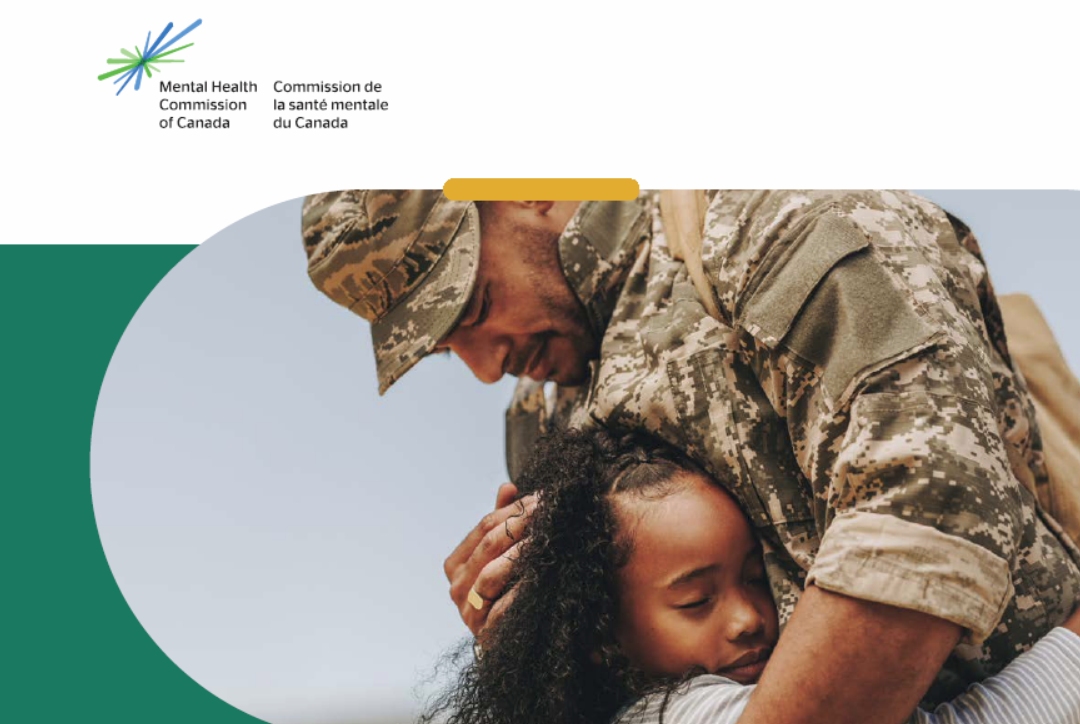
Report: Veterans and Cannabis Mental Health
The Mental Health Commission of Canada (MHCC) has published a report titled Closing Research Gaps on Cannabis and Mental Health – Veteran-Specific Findings.
Over the past five years, MHCC has led a research program to assess the impact of cannabis on the mental health of diverse populations. MHCC recent released the results of studies that explored the relationship between cannabis and mental health among Canadian veterans.
“According to these studies, Canadian Veterans are significantly impacted by a range of physical and mental health conditions, which medical cannabis is frequently used to manage.”
Key findings in this report include the following.
- Veterans use cannabis for many reasons and experience a range of benefits and harms.
- The relationship between cannabis use and trauma is unique and nuanced for veterans.
- Barriers to accessing medical cannabis persist after legalization.
- Stigma prevents many veterans from accessing formal health-care supports.
The Mental Health Commission of Canada is a national non-profit organization created by the Canadian government in 2007 in response to a senate committee tasked to study mental health, mental illness, and addiction.
To read the full report, visit:
https://mentalhealthcommission.ca/resource/cannabis-synthesis-report-veterans/