

Certified to Export Webinar: December 9, 2025
As the Canadian cannabis market matures, the next frontier for growth is unequivocally international. For Licensed Producers (LPs) looking to move beyond domestic competition and access new, high-value medical markets, understanding global certification is non-negotiable.
Join Control Union Canada on Tuesday, December 9, 2025, at 2:00 pm Eastern Time/11 am Pacific Time for a free webinar, “Certified to Export: Connecting Canadian Cannabis to the World.” This session is designed for both micro and large producers who need a clear roadmap for international trade.
The expert-led discussion will dive deep into the crucial steps required to transition from Health Canada compliance to meeting the stringent demands of global buyers. Attendees will learn:
- How to bridge the gap between Canadian standards and international certifications like GACP (Good Agricultural Collection Practices), IMC GAP, and GMP (Good Manufacturing Practices).
- The essential role that quality assurance and stability testing play in securing international contracts.
- Best practices for export logistics, including the function of tollers, to ensure smooth distribution.
- What global buyers specifically expect from Canadian suppliers to gain credibility and market access.
Control Union Canada is a third-party certification body that provides international compliance audits. The organization helps Licensed Producers (LPs) achieve globally recognized standards like Good Agricultural and Collection Practices (GACP) and Good Manufacturing Practices (GMP), which are required to export medical cannabis to high-value markets like the EU, Israel, and Australia.
For more information including how to register visit:
https://northamerica.controlunion.com/certified-to-export-connecting-canadian-cannabis-to-the-world/


Beyond Borders: Positioning Canadian Cannabis for the Global Export Market
The Global Opportunity: Why Canadian Cannabis is Primed for Export Growth
Canada has long held a first-mover advantage in the global cannabis ecosystem. Since federal legalization, Canadian producers have established world-class cultivation and processing standards that are highly valued on the international stage. As more countries open their doors to medical cannabis—particularly in Europe, Australia, and Israel—exporting is becoming a vital strategy for those looking to diversify revenue and mitigate challenges in the saturated domestic market.
The demand for pharmaceutical-grade cannabis continues to rise globally. For Canadians, the international stage is not just a secondary market; it’s a critical component of long-term economic sustainability.
Bridging the Compliance Gap: From Health Canada to the World
While Health Canada’s licensing is the foundation, accessing most international markets requires an extra layer of compliance, most notably Good Manufacturing Practices (GMP) certification. The critical points in this process are as follows.
- Certification: For producers targeting Europe, obtaining EU-GMP certification or an equivalent international standard (such as IMC GAP/GACP) is essential. This signals to global buyers that your product meets the strict quality assurance and control standards required for medical products.
- Leverage Quality: Canadian-produced cannabis is often seen as a premium product. Producers should lean into this advantage by emphasizing specialized genetics, consistency, and stability testing, which are paramount for long-term supply contracts.
- Strategic Partnerships: Working with GMP-certified distributors, logistics experts, and experienced global consultants can streamline the complex process of international customs, tariffs, and differing regulatory requirements across jurisdictions.
By intentionally building an export-ready operation today, Canadian producers can move beyond domestic competition and solidify their role as reliable, high-quality suppliers in the expanding global market. The time to look outward is now.
AirMed was designed for export markets and meets GMP and GACP standards.
For more information visit our Software page.
Or visit our Compliance page.
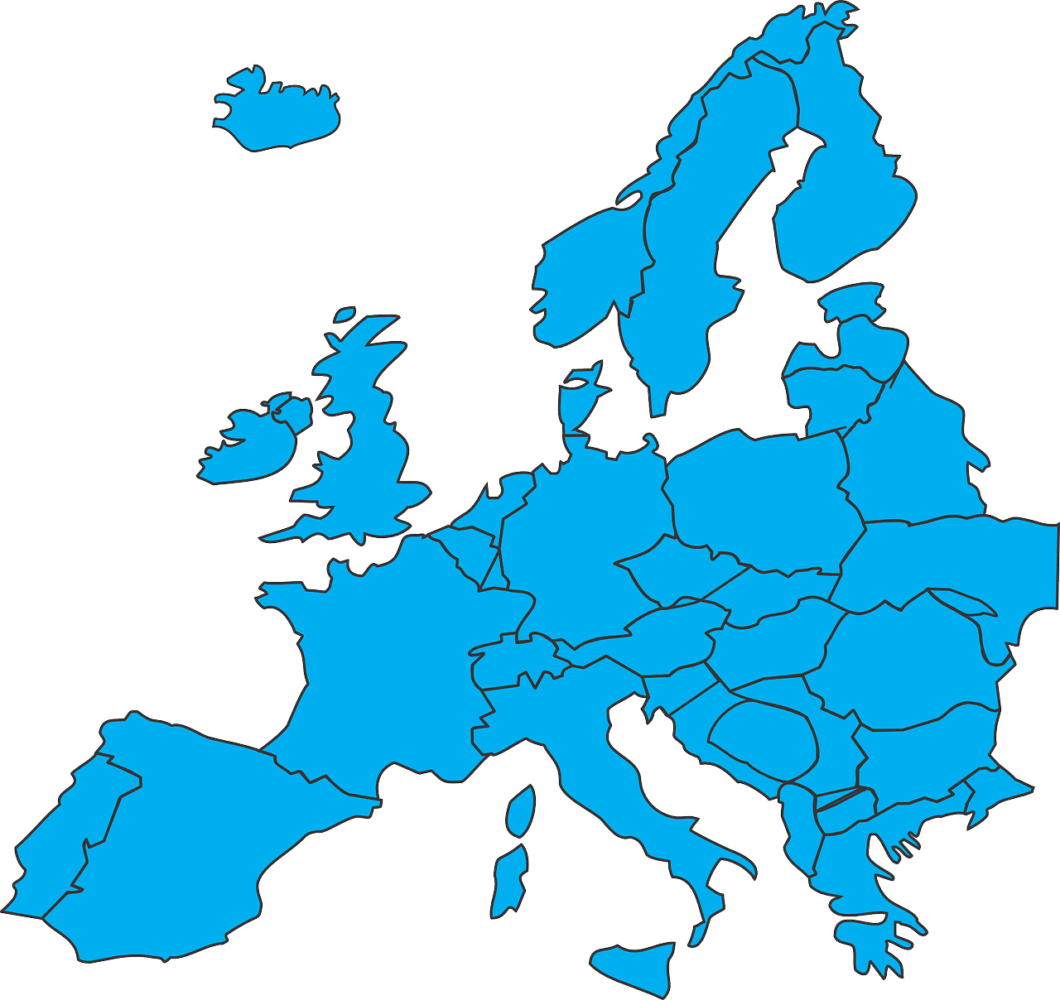
Exporting Cannabis to the EU
In a previous post, we discussed how some Canadian producers are selling excess inventory to export markets, including Europe.
In “The Europe Medical Cannabis Market,” Market Data Forecast reports, “The medical cannabis market in Europe is expected to grow from USD 4.96 billion in 2022 to USD 13.37 billion by 2027, growing at a CAGR [compound annual growth rate] of CAGR 21.96% from 2022 to 2027.”
Based on that report, Europe appears to be a significant marketplace for cannabis. But to sell into that market, the exporter must meet the region’s standards. In the case of Europe, those standards include the European Union’s Good Manufacturing Practices, referred to as EU GMP.
In their article, “A Look at Canadian Cannabis Exports,” published in 2021, The Business of Cannabis reported one reason why exports jumped in 2020. “In Canada, more cultivators gained the European Union’s Good Manufacturing Practices (EU GMP) certification, allowing them to export to that continent. More than a dozen Canadian LPs now have EU GMP certified facilities.”
Meeting EU GMP standards is critical for exporting into the European marketplace. But what is EU GMP and how does it differ from the standards Canadian companies already meet?
Health Canada requires that Canadian licensed producers comply with Good Production Practices or GPP standards. If you are a licensed producer in Canada, you are already familiar with GPP. If not, these standards are explained on the Health Canada website.
Essentially, GPP requires that cannabis businesses have appropriate procedures for all activities related to producing a product that is safe for public consumption. GPP mandates that systems be in place to ensure quality and traceability.
Good Manufacturing Practices, GMP, takes GPP further including requiring more stringent testing.
The Foundation of Cannabis Unified Standards (FOCUS) states, “GMP is the proactive part of quality assurance. It is designed to minimize the risks involved in all steps of the manufacturing process. A basic tenant of GMP is that quality cannot be tested into a product. It must be built into each batch of product during all stages of the manufacturing process.”
Originally designed for pharmaceutical products, GMP can be applied to any production process and is a requirement for those wishing to market medical cannabis in Europe.
The EU GMP standards are complex, and the information can be difficult to navigate, especially how it applies to cannabis.
But the Canadian government has published guidelines designed to help manufacturers meet GMP standards. Their guidance document has been written “with a view to harmonize with GMP standards from: the World Health Organization (WHO); the Pharmaceutical Inspection Cooperation/Scheme (PIC/S); the International Council on Harmonisation (ICH); the International Cooperation on Harmonisation of Technical Requirements for Registration of Veterinary Medicinal Products (VICH); other regulatory agencies in other countries.”
While the EU is not mentioned specifically, these Canadian standards are a good starting point for cannabis companies considering exporting into other markets. These guidelines will help producers understand what is required and can be used as a stepping stone toward EU GMP certification.
According to the media, the EU standards are stringent, and certification can be time-consuming and costly. But with a market as large as Europe, Canadian companies are in a position to benefit from the opportunities that an EU GMP certificate can offer.
To access the resources quoted here, use the following links:
- https://businessofcannabis.com/a-look-at-canadian-cannabis-exports/
- https://www.marketdataforecast.com/market-reports/europe-medical-cannabis-market
- https://www.focusstandards.org/gmp-cannabis-industry/
- https://www.gmp-compliance.org/guidelines/gmp-guidelines
- https://www.canada.ca/en/health-canada/services/drugs-health-products/compliance-enforcement/good-manufacturing-practices/guidance-documents/gmp-guidelines-0001/document.html
