
The evolution of provincial “Direct-to-Retail” and farm-gate frameworks—particularly across British Columbia and Ontario—has fundamentally reshaped the Canadian cannabis landscape. For both micro-cultivators and standard licensed producers (LPs), the ability to bypass traditional central distribution boards offers a vital lifeline. Amid persistent market-wide price compression and stabilizing retail growth, selling directly to independent brick-and-mortar stores allows producers to reclaim and protect their hard-earned margins.
However, this structural shift is a double-edged sword. While direct delivery eliminates the middleman, it simultaneously introduces an immense administrative burden. LPs utilizing these frameworks find themselves operating not just as cultivators or processors, but as their own distributors, sales forces, and logistics coordinators.
Decentralized Distribution
Managing dozens of individual retail relationships without a central hub can create operational bottlenecks. Transitioning away from single, bulk shipments to handling multi-destination SKU availability, tier pricing, and localized shipping windows frequently leads to inventory fragmentation.
Plus, every decentralized transaction must still align perfectly with strict provincial tracking and federal reporting mandates. Manually re-entering sales data into secondary compliance systems invites transcription errors, shipping delays, and regulatory vulnerability.
Streamlining the B2B Pipeline
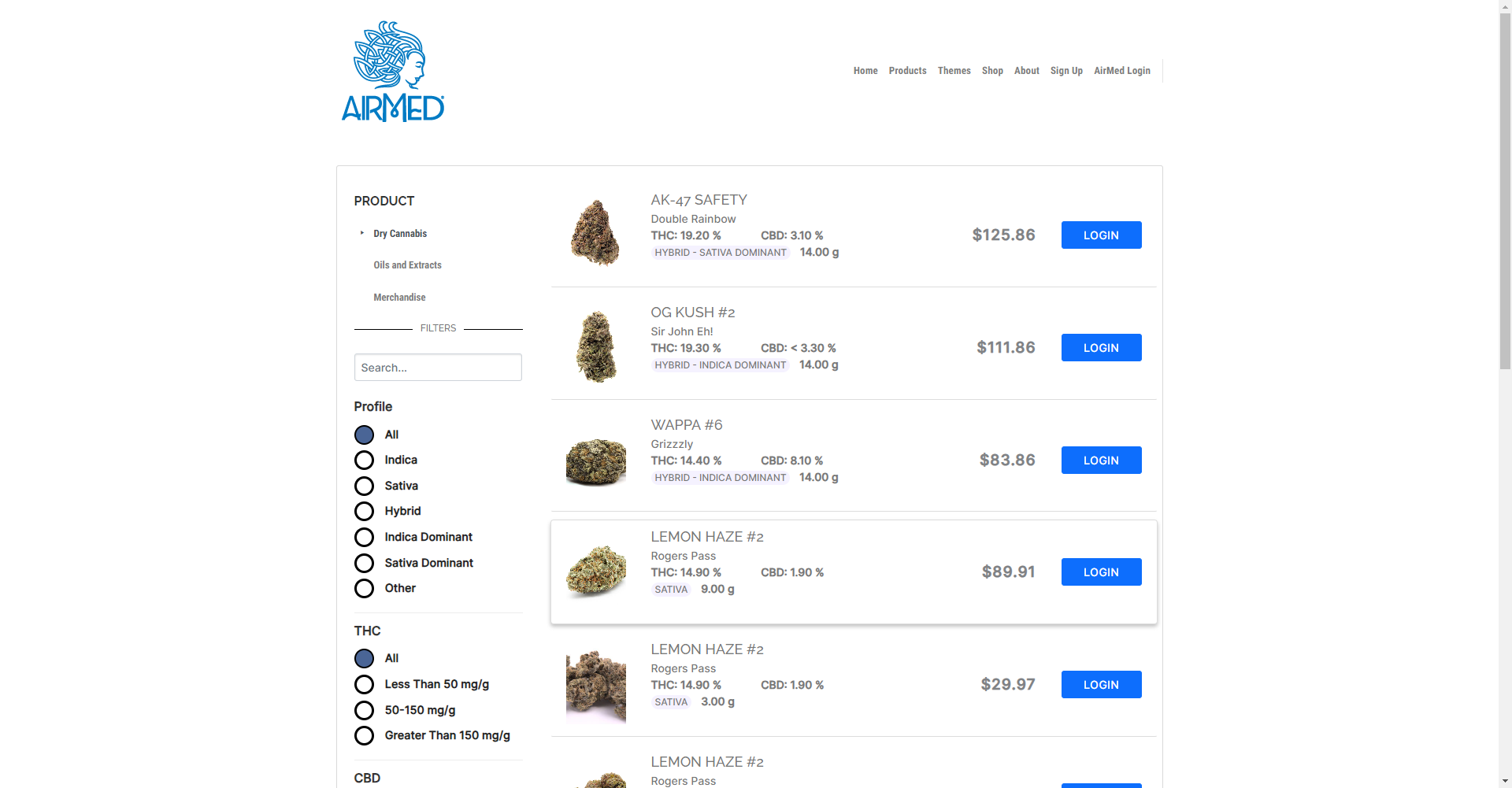
To maintain shelf space and keep overhead manageable, LPs should transition away from manual data entry and disjointed software stacks. Forward-thinking producers are adopting integrated, native direct-delivery portals. Utilizing tools like AirMed’s proprietary WordPress plugin architecture, producers can securely connect their live, facility-side inventory directly to buyers.
When a retailer logs into a dedicated direct-delivery portal, they interact with accurate, real-time data pulled straight from the producer’s cultivation and processing environment. This tight, native integration removes human error, ensures absolute consistency under Good Production Practices (GPP), and dramatically reduces administrative overhead.
Securing the Digital Shelf
In an increasingly mature and competitive market, operational efficiency can be a core requirement for survival. By automating the hand-off between the digital point-of-sale and the physical facility floor, producers can streamline administration, satisfy retail expectations, and realize the premium margins promised by the direct-to-retail model.
For demo of our Wordpress plugins in action, visit the Live AirMed WordPress Direct Delivery Plugin Demo Site.
Shop AirMed Home